Preserving the Soul of Ghana’s Traditional Festivals and Cultural Heritage: Inside Akuapem Odwira
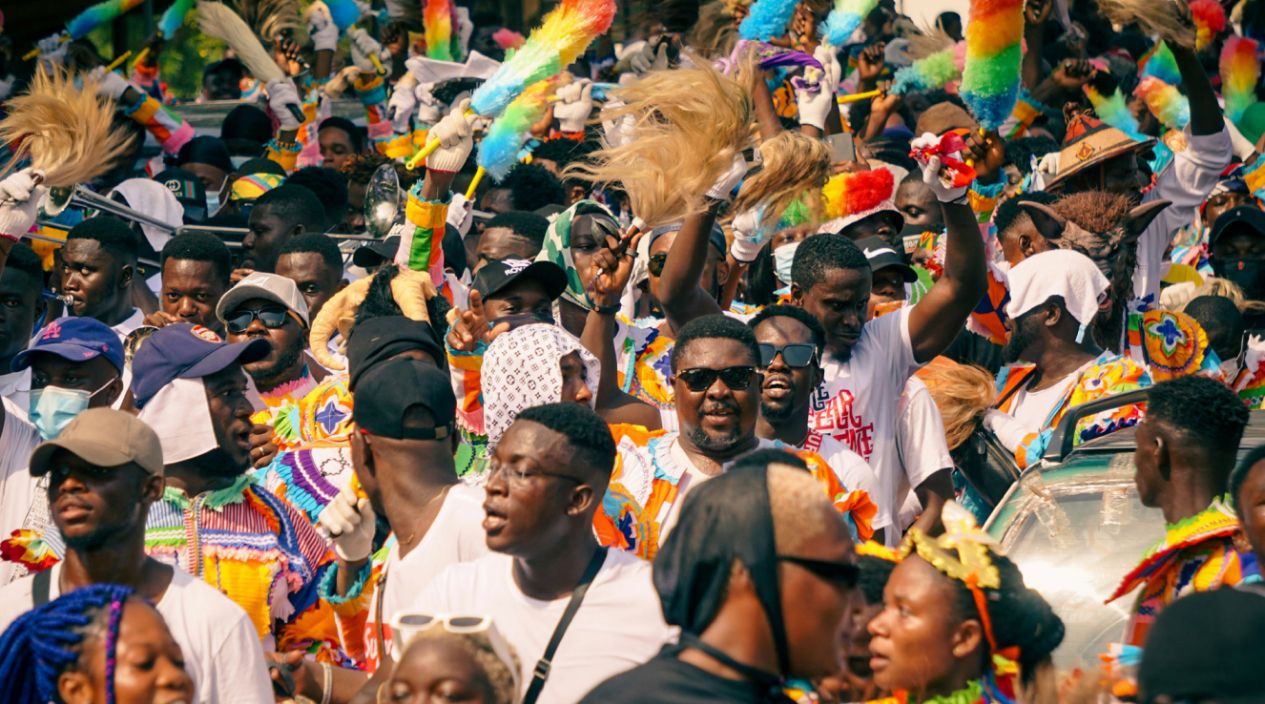
Traditional festivals are the backbone of Ghana’s culture. It's during this time that you see the authentic practice of our forefathers—feasting, drumming, fashion, conflict resolution, durbars and more all come alive. Documentary photographer Paul Addo explores the traditions linked to the Odwira Festival.
Download Free Copy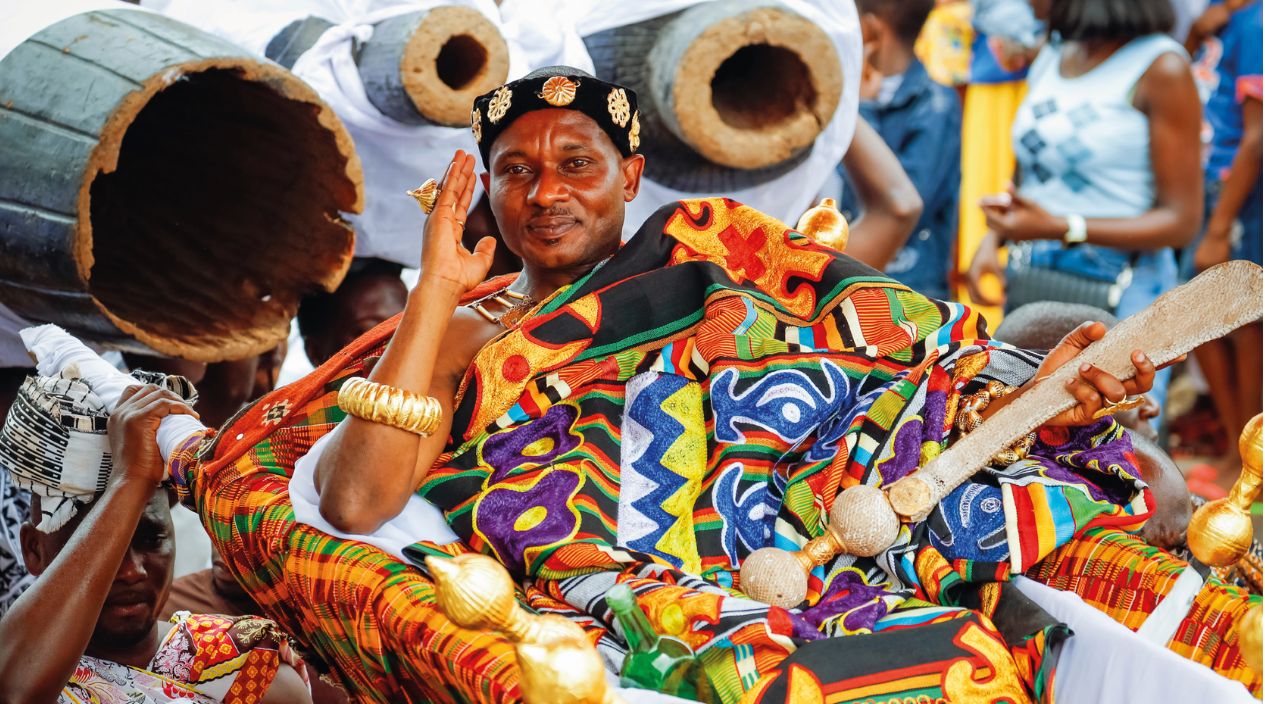
A view of the Paramount Chief, Oseadeeyo Kwasi Akuffo III, the Okuapehene seated in state at the grand durbar.
There has been an intentional passing down of tradition from generation to generation. Indigenes, royals and non-royals, are taught how the culture must be practised. At the palaces, you will see children wearing clothes that carry stories older than themselves. The culture is still practised in its authentic state.
Documenting our culture through festivals has made me appreciate who we are as a people. As a Fante, also part of the Akan ethnic group, I’ve noticed that when I attend festivals in other traditional areas, many of the practices feel familiar. The pouring of libation, the processions, the durbars, and even the way chiefs arrive in palanquins under their distinct umbrellas are quite similar, with only slight differences. I see that it’s a reminder that we are essentially one people.
The palace elders, the King, Chiefs, the Paramount Chiefs and the whole community all play an important role in bringing these celebrations to life every year.
In this piece, I offer you a window into the Odwira Festival - one of Ghana’s many traditional festivals, celebrated by the people of Akuapem, a subgroup of the larger Akan ethnic group in the Eastern Region.
Odwira means purification. It is a time of cleansing, renewal, and thanksgiving. It is a time when the community reflects on the past year, honours their ancestors, and prepares, both spiritually and communally, for the year ahead.
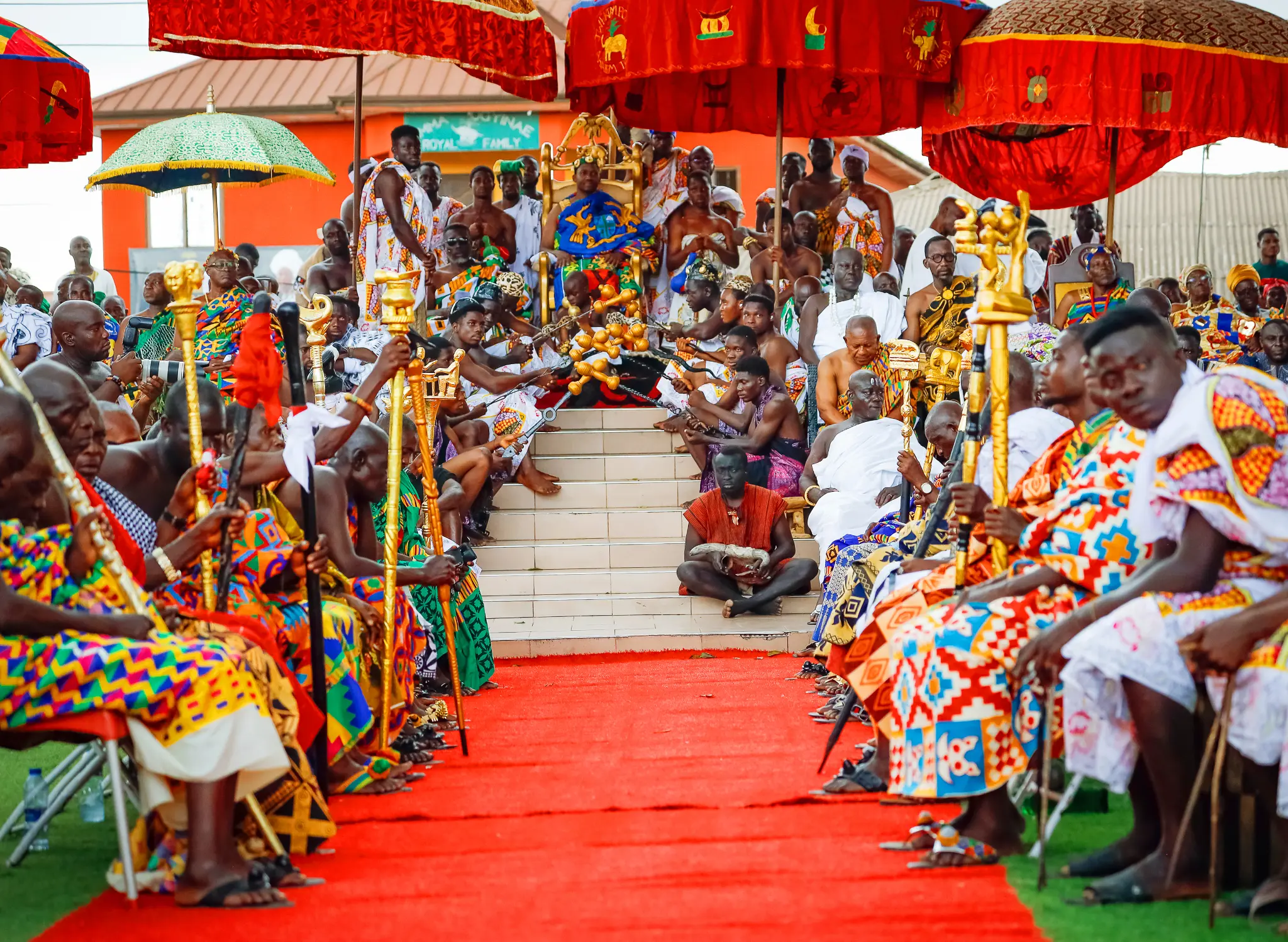
In the image above, the Paramount Chief, Oseadeeyo Kwasi Akuffo III, the Okuapehene is seated in state at the grand durbar. On such occasions, his sub-chiefs sit to his left and right, each beneath their distinct ceremonial umbrella.
To approach and greet him, one must first pass by the Akyeame, the traditional linguists, each holding a symbolic staff of office. Permission is then granted by the Nnhenkwafo (Palace Attendants), who signal approval by lowering their crossed swords, allowing visitors to proceed.
Securing permission
As a photographer, when I positioned myself to take this shot, I slightly bowed while holding my camera. It is a cultural gesture of respect and a quiet way of asking for permission before capturing this moment. Normally, one of his officials will give you the go ahead, but in my case, the Paramount Chief himself nodded slightly, granting me permission to photograph.
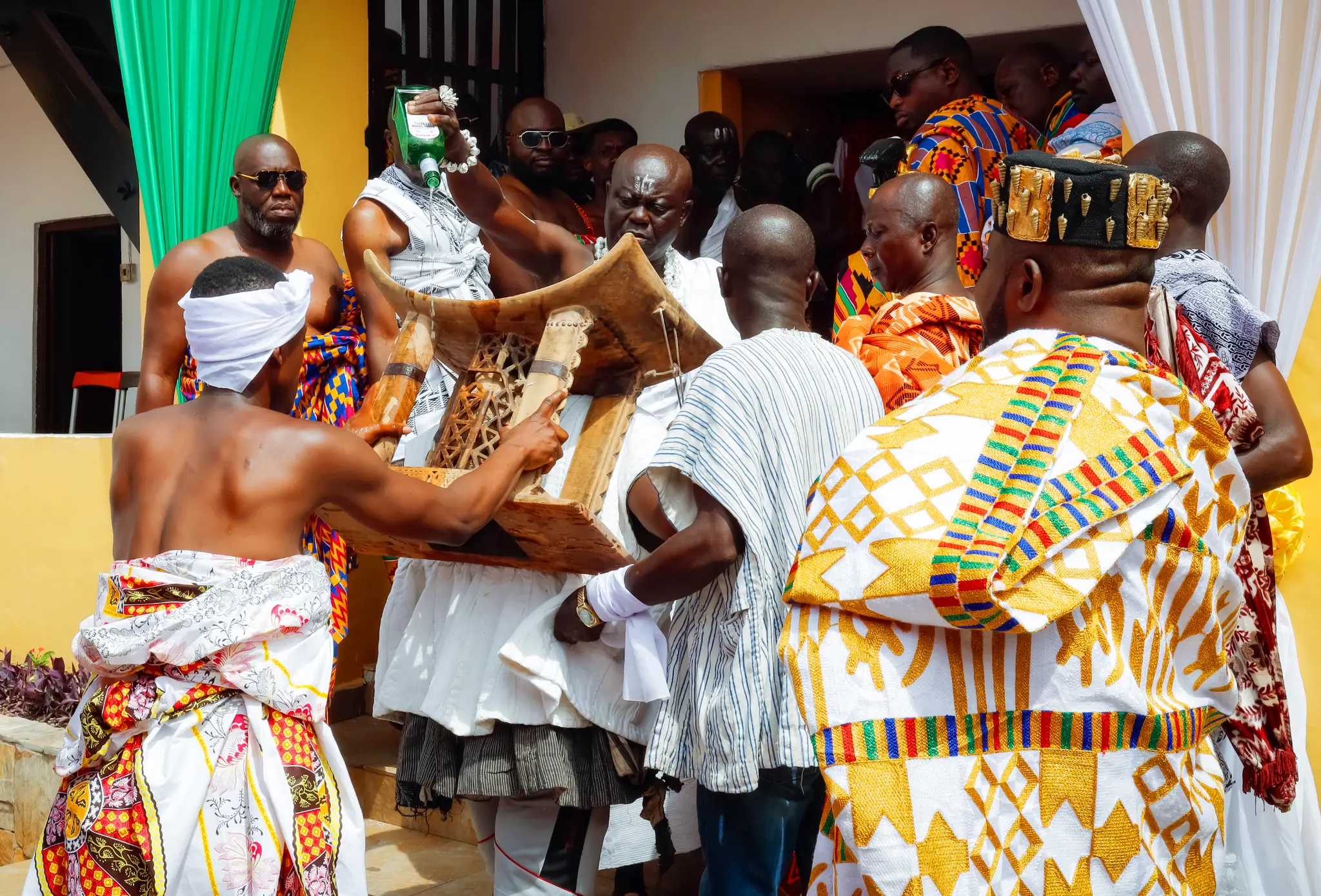
The Adonngua is an essential item in the palace, decorated with bells, and brought out on ceremonial days such as the Odwira festival. On such occasions, the Akrahene who is in charge of the stool, finds it fitting to sanctify and make the stool holy by pouring libation onto it. The stool was made by Nana Kwesi Akuffo I in 1896, and has his name engraved on it.
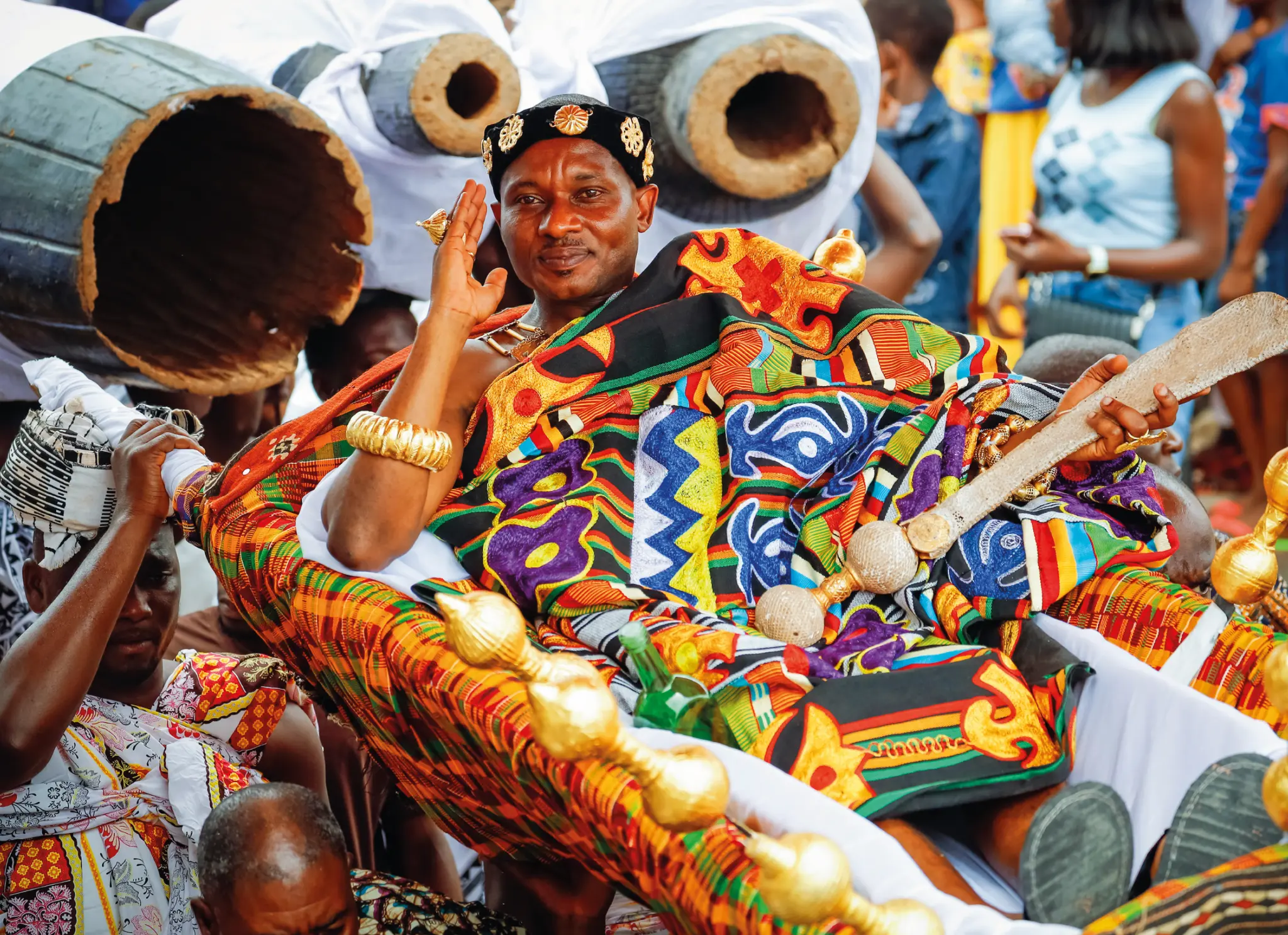
Chiefs are carried in palanquins, adorned in rich kente and gold regalia that symbolise authority, lineage, and responsibility. Their presence is not just ceremonial, it is a reminder of leadership, governance, and the preservation of tradition within the Akuapem state.
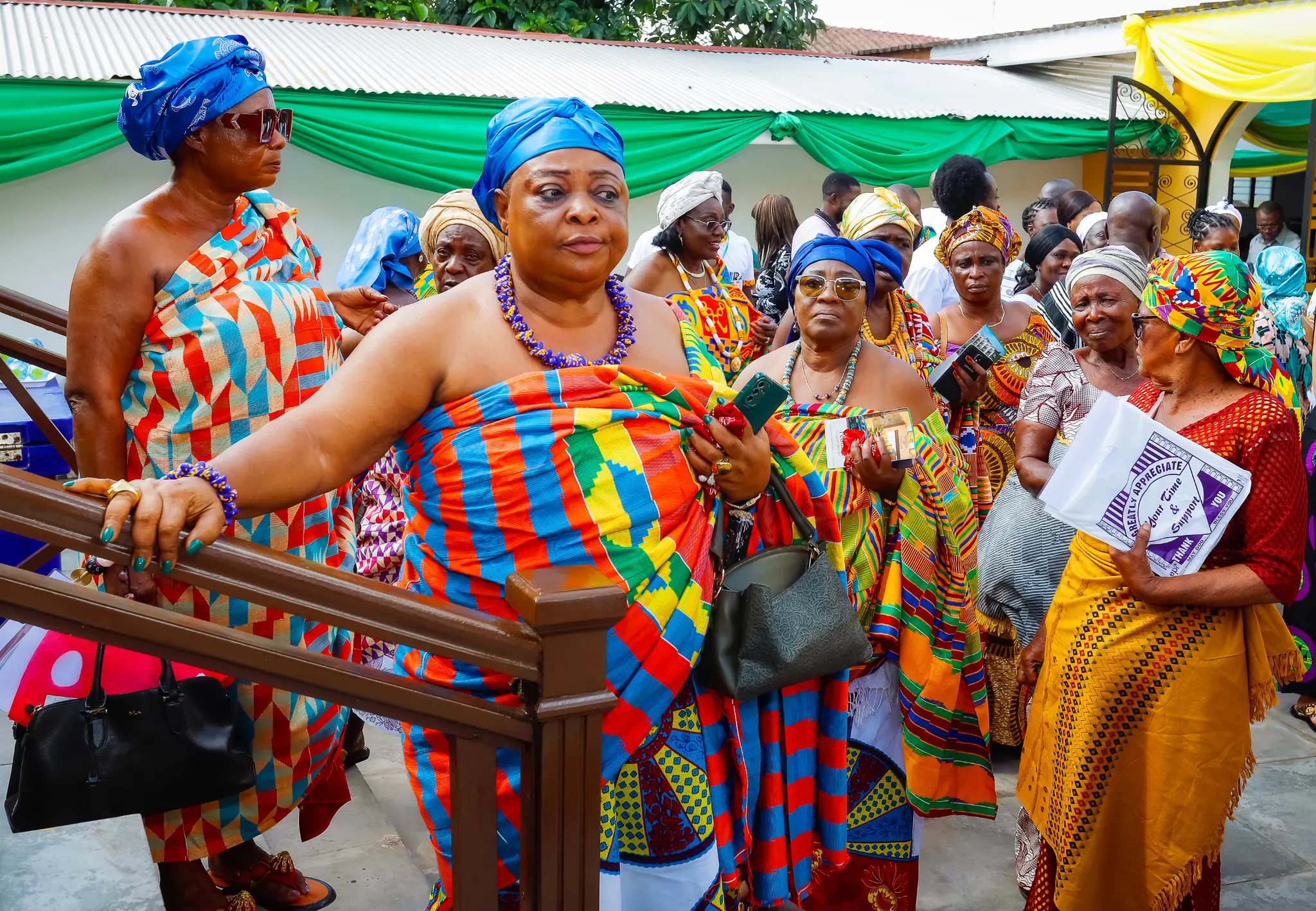
In Ghanaian tradition, queenmothers participate in the selection and enstoolment of chiefs, ensuring continuity and balance in leadership. They have been historically powerful figures - war leaders, peacemakers, and advocates for justice, demonstrating that women have always played central roles in governance, social order and the preservation of cultural heritage since ancient times.
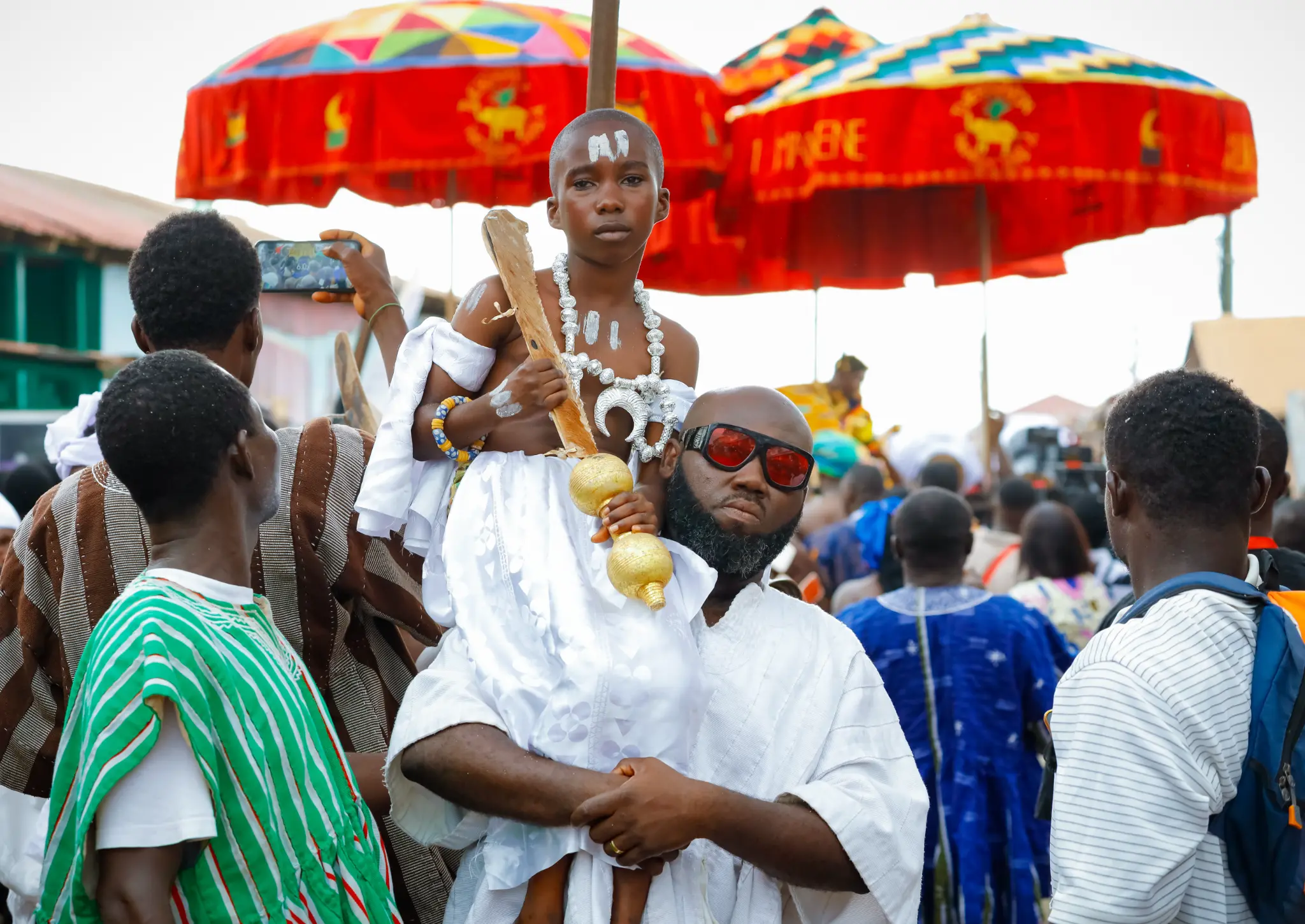
Ohene Okra sits in front of the Okuapehene (Paramount Chief of Akuapem) in state or in a palanquin. The Okra represents the soul of the Paramount Chief, and he must remain pure. A young boy, untouched by love or worldly experiences, is chosen for this role. He becomes both the spiritual and physical symbol of the Chief, and the Chief is expected to live in a way that reflects the innocence of this boy.
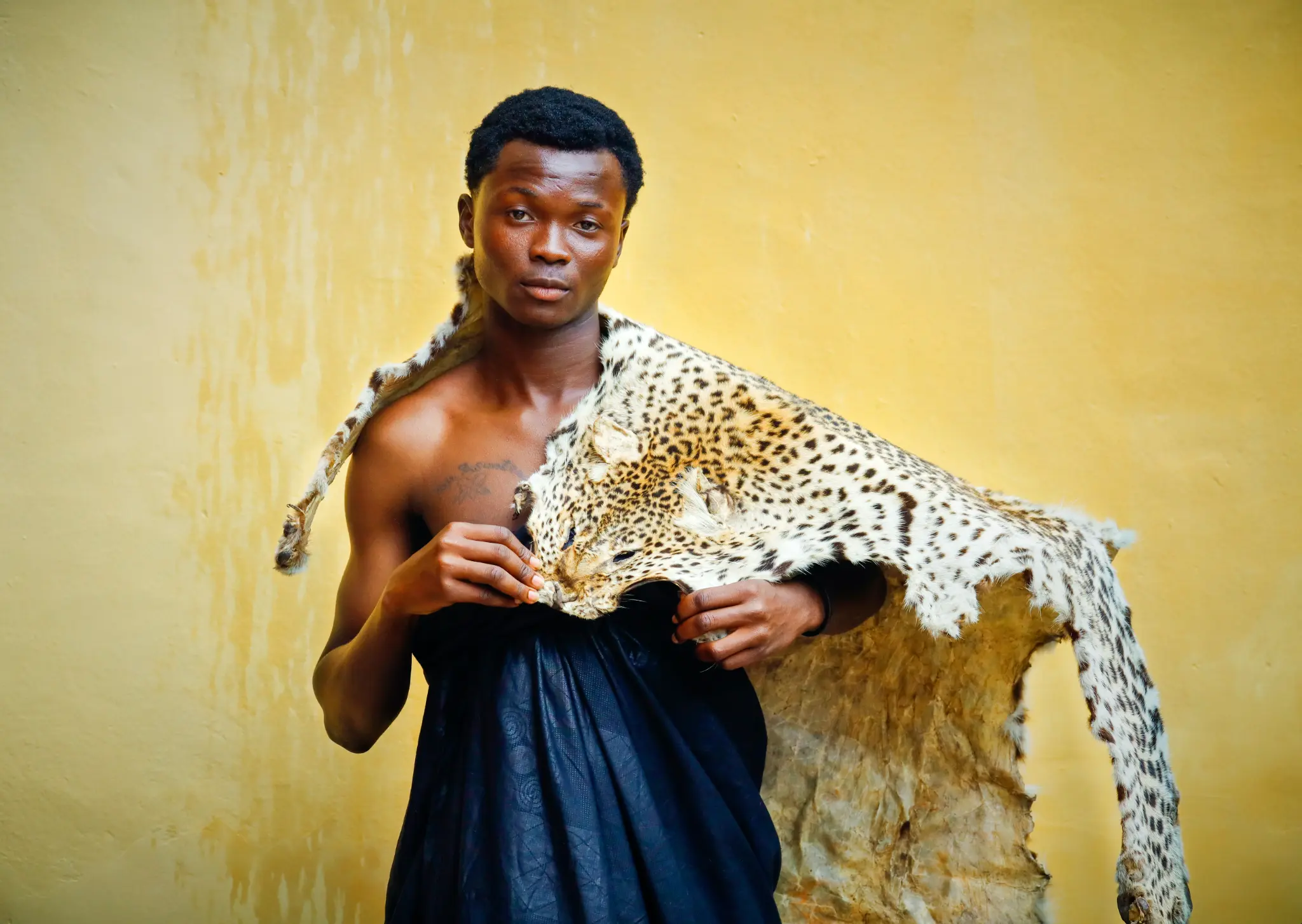
In earlier times, hunters who killed a leopard or tiger would present the skin to the Paramount Chief as a gift, symbolising his strength and fearlessness, and likening him to the leopard. The skins have been kept so well and come out during Odwira.
Youth participation
Youth involvement in Ghana’s traditional festivals is key to preserving culture, fostering identity, and promoting community pride. It allows them to learn customs, connect with elders, and bring fresh energy that keeps traditions alive and relevant for future generations.
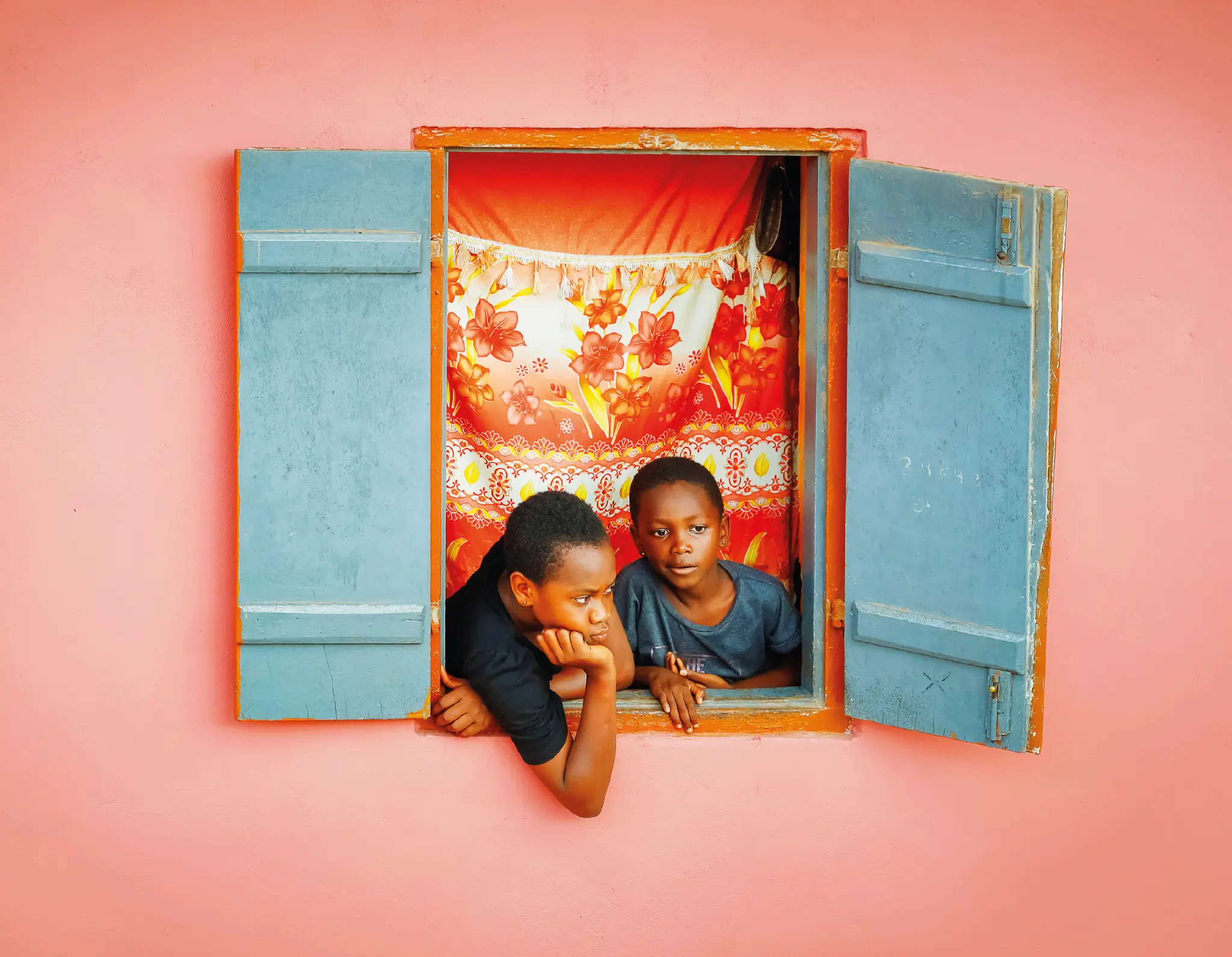
Children often join the procession, but some prefer to watch from a distance. For those whose homes line the main street, it feels like having a prime spot in a football stadium. Those with upstairs terraces enjoy an even better view, seeing the event from a perspective the participants can’t.
These images featured here reveal a deeper, often unseen layer of the tradition.
The Bell Stool is not just a historical object; it represents sacred ritual and the enduring presence of the past in today’s leadership. It carries a weight that goes beyond what is visible, and that drew me to it. The Okra, on the other hand, is deeply symbolic in a more human way—the idea that a young boy can be entrusted as the spiritual soul of the Paramount Chief is both powerful and intriguing. It speaks to belief, responsibility, and the unseen forces that guide leadership. The Queen Mothers, whose role can easily be overlooked during festivals, yet they represent influence, wisdom, and the undeniable place of women in our society.
Capturing these moments made me feel a strong sense of privilege and responsibility. Being allowed to document them meant stepping into spaces that require respect, awareness, and understanding. It was both humbling and grounding.
I do believe this aspect of our culture is still very relevant and embraced, even if it sometimes goes unnoticed or is taken for granted. The structures are still there—the rituals, the symbols, the roles, and they continue to shape identity and community life. What may be changing is how much attention we pay to them.
Through these images, I wanted to draw that attention back, to remind us of the depth and meaning behind what we see.
The featured images from Akuapem Odwira form part of a documentary photobook by Paul Addo on the Odwira Festival. The full body of work explores the festival beyond the public spectacle, into its quieter cultural and spiritual moments.
Written By.
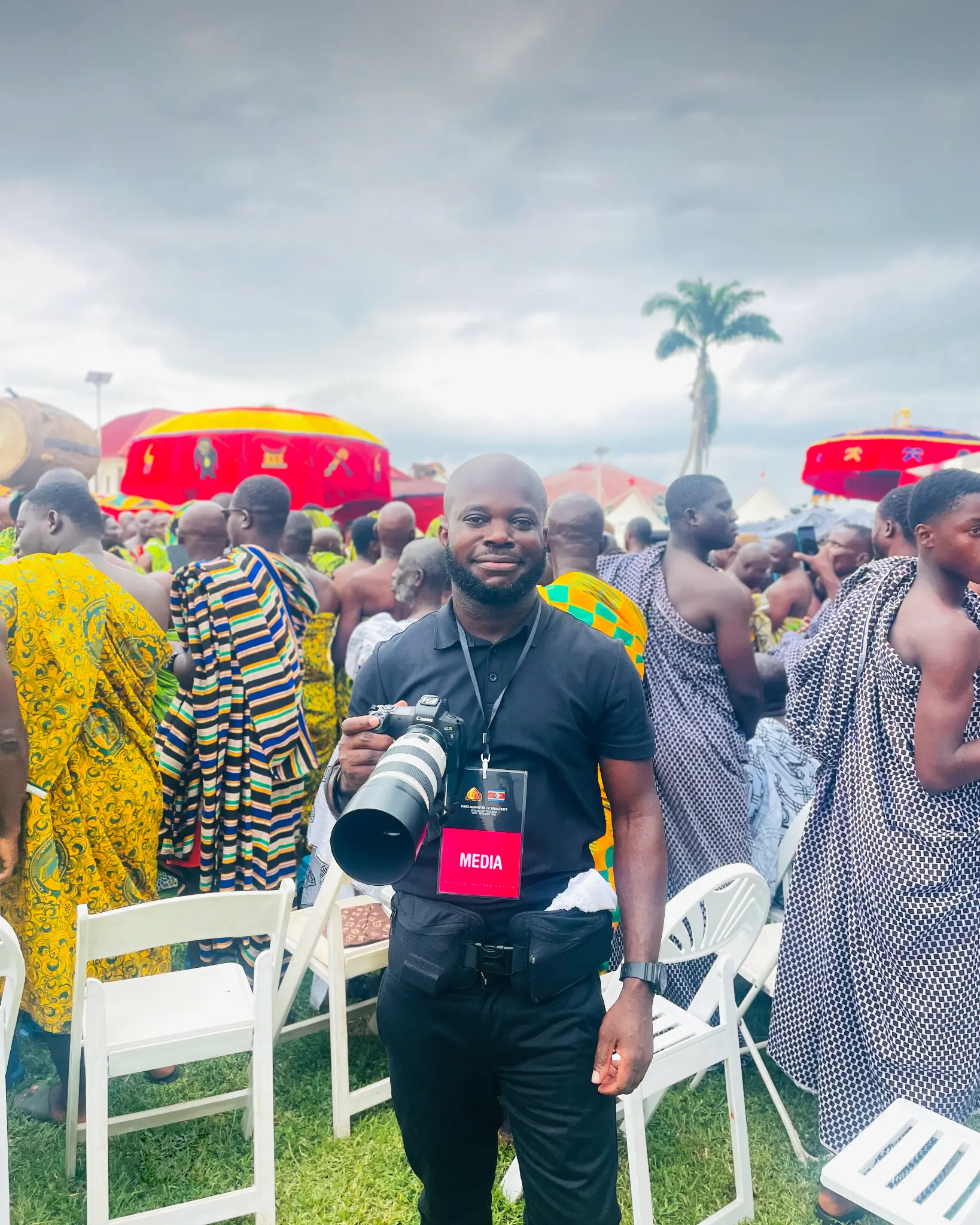
Paul Addo
Paul Addo is a professional photographer based in Accra whose work primarily focusses on documentary, social and humanitarian, landscape, event, and cultural photography. His photographing moments include featuring influential personalities such as the Asantehene His Royal Highness Otumfuo Osei Tutu II, and former Vice President of the United States Kamala Harris, as well as capturing events including AfroFuture and Afro Nation.